

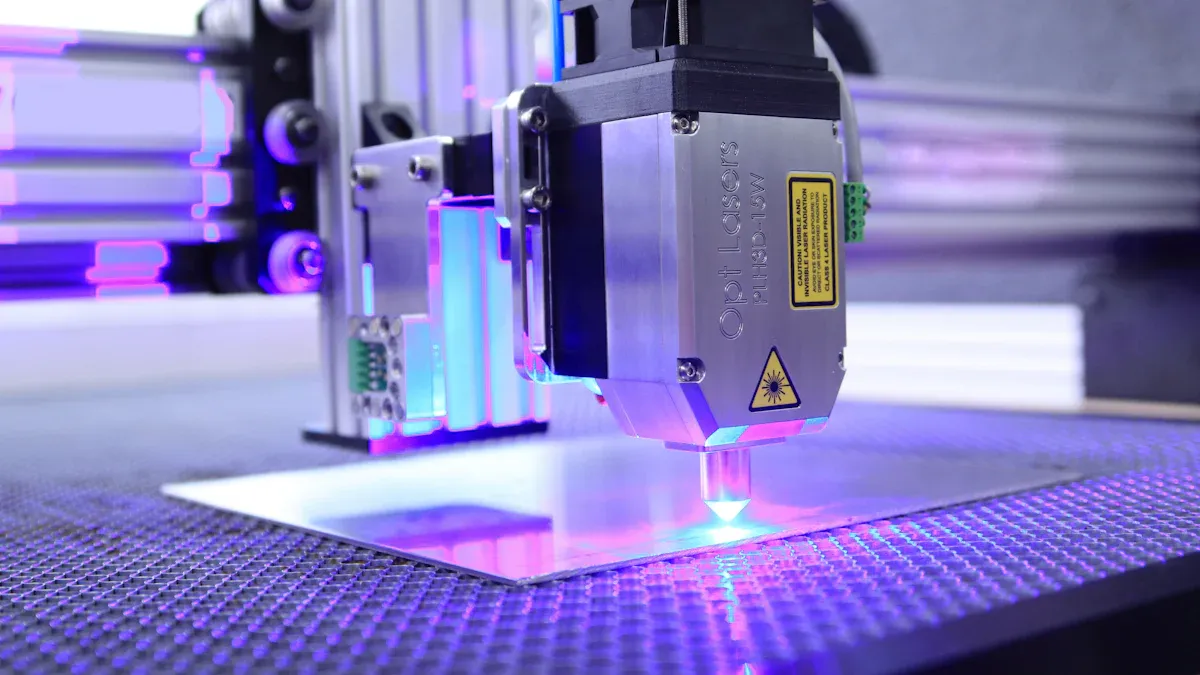
You see a clear difference between traditional lasers and fiber lasers when you examine their technology and applications. Fiber lasers use rare-earth-doped optical fibers, delivering longer lifespans and higher efficiency. TiHi Laser leads the industry with advanced solutions such as the fiber laser welding machine, which meets the growing demand for precision and durability. Understanding these differences helps you choose the right equipment for your manufacturing needs.
Lifespan exceeds 30,000 hours
Demand for high-power fiber lasers continues to grow
Fiber lasers use rare-earth-doped optical fibers, offering longer lifespans and higher efficiency than traditional lasers.
CO2 lasers excel in cutting non-metals, while fiber lasers are ideal for precise welding of metals like stainless steel and aluminum.
Fiber lasers achieve efficiency levels above 90%, leading to lower energy costs and reduced heat output during operation.
Choose the right laser power based on your material and application needs to ensure optimal performance.
Fiber laser welding machines provide minimal heat-affected zones, preserving the integrity of delicate components.
Investing in fiber laser technology can lead to significant long-term savings due to lower operating costs and maintenance needs.
Consider the specific requirements of your industry, such as automotive or aerospace, when selecting a fiber laser welding machine.
TiHi Laser offers expert support and tailored solutions to help you maximize the benefits of fiber laser technology.
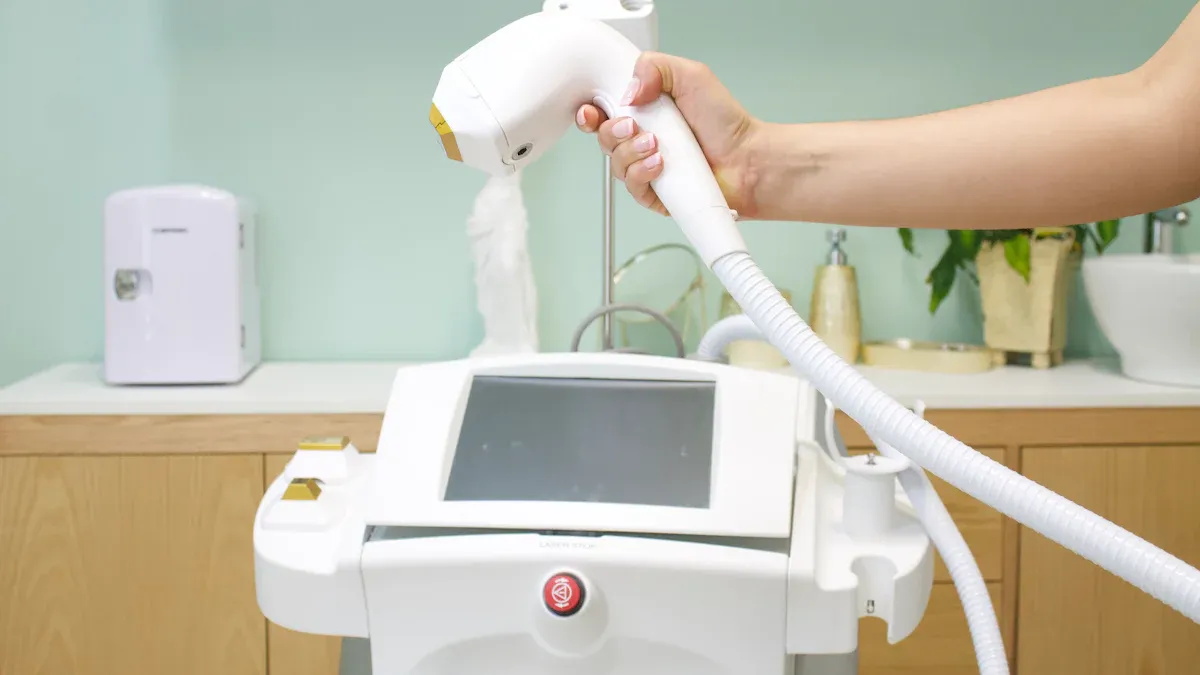
You often see CO2 lasers in industrial settings. These lasers use a gas mixture, mainly carbon dioxide, as the active medium. You can rely on CO2 lasers for cutting, engraving, and marking a wide range of materials, especially non-metals like wood, acrylic, glass, and plastics. Many manufacturers choose CO2 lasers for their cost-effectiveness and ability to create intricate designs.
Tip: CO2 lasers excel at microfabrication and the construction of detailed structures.
However, you should know that CO2 lasers have some limitations. They can struggle with certain bonding tasks, especially when working with acrylic sheets. The use of solvents in bonding may affect the quality of your finished product. You may also notice that the quality of devices can vary if you do not optimize the laser parameters.
Here is a quick overview of CO2 laser applications and their limitations:
| Applications | Limitations |
|---|---|
| Cost-effective for microfabrication | Challenges in bonding between layers of acrylic sheets |
| Creation of intricate structures | Use of solvents in bonding can compromise cellular viability |
| Development of in vitro platforms | Variability in laser parameters affects the quality of fabricated devices |
| Construction of perfusion systems | Need for optimization of fabrication methods to ensure structural integrity without adverse effects |
Fiber lasers use optical fibers doped with rare-earth elements as the gain medium. You benefit from their high efficiency and compact design. Fiber lasers deliver precise, clean cuts and welds, making them ideal for advanced manufacturing. You can use fiber lasers for metals like stainless steel, aluminum, copper, and titanium. These lasers perform well in industries that demand accuracy, such as automotive, electronics, and medical device manufacturing.
You will notice that fiber lasers stand out for their energy efficiency and broad application range. In fact, fiber lasers often reach efficiency levels above 90%. This means you save on energy costs and reduce heat output during operation. Fiber lasers also handle reflective metals better than CO2 lasers, giving you more flexibility in your projects.
Here is a comparison of CO2 and fiber lasers:
| Laser Type | Efficiency | Application Range |
|---|---|---|
| CO2 Laser | 5-10% | Best for cutting thicker metal plates (10-20 mm or more), used in various industries including medical and military. |
| Fiber Laser | Often above 90% | More prevalent in high-precision sectors like telecommunications and automotive, excels with reflective metals like titanium and aluminum. |
Note: If you need high precision and versatility, fiber lasers offer a clear advantage.
You may encounter other types of lasers in industrial and research environments. Solid-state lasers, such as Nd:YAG lasers, use a crystal as the gain medium. These lasers work well for welding and cutting metals, especially in applications that require pulsed energy. Diode lasers, another type, provide compact solutions for marking, engraving, and low-power welding.
Each laser type brings unique strengths. You should match the laser to your specific material and application needs. When you understand the differences, you can select the best tool for your manufacturing goals.
You will find that the gain medium is the heart of any laser system. This component determines how the laser generates and amplifies light. In fiber lasers, you use an active optical fiber doped with rare earth ions such as erbium, neodymium, or ytterbium. This design allows for a compact structure and high efficiency. Traditional lasers, like Nd:YAG or ruby lasers, use solid-state materials as their gain medium. These materials require larger setups and often need more cooling.
| Feature | Fiber Lasers | Traditional Lasers |
|---|---|---|
| Gain Medium | Active optical fiber doped with rare earth ions (e.g., Er, Nd, Yb) | Solid-state materials (e.g., ruby, Nd:YAG) |
| Waveguiding Effect | Present, leading to higher gain | Absent, resulting in lower gain |
| Mode Area | Small effective mode area | Larger mode area |
| Operational Characteristics | Higher laser gain and resonator losses | Lower laser gain and resonator losses |
You benefit from the waveguiding effect in fiber lasers, which leads to higher gain and better control over the laser beam. This is one reason why the fiber laser welding machine from TiHi Laser offers such precise and reliable performance.
The process of generating a laser beam differs greatly between fiber lasers and traditional systems. In a fiber laser, you start with laser diodes that convert electricity into photons. The light then travels through fiber-optic cables, using the core and cladding for total internal reflection. As the light moves, it enters a laser cavity where it interacts with rare-earth-doped elements, amplifying the beam. The specific doping element determines the wavelength of the laser light.
You can break down the fiber laser beam generation process into these steps:
Laser diodes create light by converting electrical energy into photons.
The light travels through fiber-optic cables, guided by the core and cladding.
The laser cavity amplifies the light as it interacts with rare-earth-doped fibers.
The doping element sets the wavelength, allowing for precise control.
This advanced process gives the fiber laser welding machine a clear advantage in terms of energy efficiency and precision. You get a stable, high-quality beam that is ideal for demanding industrial applications.
Beam delivery is another area where fiber lasers stand out. Traditional lasers often rely on free space optical components, such as mirrors and lenses, to direct the beam. This setup can be sensitive to misalignment and requires regular maintenance. In contrast, fiber lasers generate and deliver the beam within the fiber itself. This design increases reliability and stability, making your welding process smoother and more consistent.
You will notice several benefits with fiber laser beam delivery:
The laser beam is generated and transmitted inside the fiber, reducing the risk of misalignment.
Fiber delivery systems handle higher power levels and resist overheating.
You experience fewer maintenance issues, which means less downtime for your operations.
The fiber laser welding machine from TiHi Laser takes full advantage of these features. Its compact design and integrated beam delivery system make it suitable for both automated production lines and handheld applications. You can weld with confidence, knowing that the system is built for stability and long-term use.
Note: TiHi Laser’s fiber laser welding machine also excels in energy efficiency. Features like high speed, low distortion, deep penetration, and automation-friendly design all contribute to lower energy consumption and higher productivity. You can weld a wide range of materials without needing multiple machines, saving both time and resources.
You achieve outstanding precision when you use a fiber laser welding machine from TiHi Laser. The advanced technology allows you to create clean, accurate welds on thin and delicate materials. You can work with metals like stainless steel, aluminum, and copper, even when the thickness drops below 0.1 mm. This level of control is essential for industries such as electronics, medical devices, and jewelry manufacturing.
TiHi Laser offers several configurations to match your needs. You can choose a single head for focused tasks, a double head for increased productivity, or a handheld model for flexible, on-site work. Each option delivers consistent results, minimizing errors and reducing the need for post-weld finishing.
The following table compares the precision and heat impact of different welding methods:
| Welding Method | Precision Level | Heat Affected Zone (HAZ) | Distortion |
|---|---|---|---|
| IPG LightWELD Laser | High | Minimal | Low |
| Traditional MIG/TIG | Moderate | Larger | High |
You notice that fiber laser welding machines produce minimal heat-affected zones and low distortion. This advantage helps you maintain the integrity of sensitive components and ensures a high-quality finish.
Tip: For applications that demand micron-level accuracy, fiber laser welding machines provide the reliability you need.
You rely on your equipment to perform day after day. TiHi Laser designs each fiber laser welding machine for long-term durability. The robust construction withstands heavy use in industrial environments. You benefit from rare-earth-doped fibers that resist wear and maintain stable output over thousands of hours.
You can select a platform model for continuous production or a portable handheld unit for field repairs. Both options feature strong housings and advanced cooling systems. These features protect the internal components and extend the machine’s lifespan. You spend less time on maintenance and more time on productive work.
Note: TiHi Laser’s machines often exceed 30,000 hours of operational life, making them a smart investment for your business.
You want a welding machine that is easy to operate. TiHi Laser’s fiber laser welding machine features a user-friendly interface that simplifies setup and adjustment. You can switch between welding modes, adjust parameters, and monitor performance with intuitive controls.
The handheld model offers lightweight portability, allowing you to tackle repairs and installations in tight spaces. The single and double head platforms integrate seamlessly into automated production lines. You save time during training and reduce the risk of operator error.
You find that the design supports both experienced technicians and newcomers. Clear displays, safety features, and guided workflows help you achieve consistent results with minimal effort.
You experience less downtime and greater productivity when you use a machine designed for ease of use.
You need excellent beam quality for precise and clean welds. Fiber laser welding machines deliver a focused, high-intensity beam with a small spot size. This feature allows you to achieve narrow, deep welds with minimal distortion. You can work on thin metals or delicate components without damaging surrounding areas. Traditional lasers often produce a larger spot size, which can lead to a wider heat-affected zone and more material deformation.
Note: Superior beam quality means you spend less time on post-weld finishing. You get smoother edges and a better surface finish right from the start.
Here is a quick comparison:
| Feature | Fiber Laser Welding Machine | Traditional Laser Welding |
|---|---|---|
| Spot Size | Small (50–100μm) | Larger (200μm+) |
| Beam Focus | High Precision | Moderate |
| Heat-Affected Zone | Minimal | Larger |
You see the difference in every weld. Fiber lasers help you maintain tight tolerances and high product quality.
You want to complete projects quickly without sacrificing quality. Fiber laser welding machines offer high processing speeds. You can weld up to four times faster than with traditional MIG or TIG welding. This speed comes from the concentrated energy and efficient beam delivery system. You can move the laser head rapidly across the workpiece, reducing cycle times and boosting productivity.
You finish more parts in less time.
You reduce labor costs.
You meet tight deadlines with confidence.
Tip: Fast welding speeds do not mean you lose accuracy. Fiber lasers keep your welds precise, even at high speeds.
You save energy and resources when you use a fiber laser welding machine. These machines convert more electrical power into usable laser energy. You often see electrical-to-optical conversion rates above 30%. Traditional lasers usually reach only 10–15%. This efficiency means you spend less on electricity and cooling.
You also benefit from lower maintenance needs. Fiber lasers have fewer moving parts and sealed fiber optics. You experience less downtime and fewer repairs. The long operational life—often over 30,000 hours—means you get more value from your investment.
Key Point: High efficiency leads to lower operating costs and a smaller environmental footprint. You make your production line more sustainable and cost-effective.
You can rely on TiHi Laser’s fiber laser welding machines to deliver top performance in beam quality, speed, and efficiency. These advantages help you stay competitive in demanding industries.
You often work with metals in manufacturing and fabrication. Fiber laser welding machines give you a clear advantage when joining metals. You can weld stainless steel, aluminum, copper, titanium, and galvanized steel with high precision. The focused laser beam creates strong, clean welds. You see minimal distortion and a small heat-affected zone. This helps you maintain the integrity of thin or delicate metal parts.
Tip: Fiber lasers handle reflective metals like aluminum and copper better than traditional lasers. You avoid common issues such as beam reflection and inconsistent welds.
Here is a quick comparison of metal compatibility:
| Metal Type | Fiber Laser Welding Performance | Typical Applications |
|---|---|---|
| Stainless Steel | Excellent | Automotive, appliances |
| Aluminum | Superior | Aerospace, electronics |
| Copper | Reliable | Electrical contacts |
| Titanium | Precise | Medical devices, jewelry |
| Galvanized Steel | Consistent | Construction, HVAC |
You can select the right TiHi Laser configuration for your metalwork. The single head model suits precision tasks. The double head platform boosts productivity for larger projects. The handheld option lets you tackle repairs and installations on-site.
You may need to weld non-metal materials in specialized industries. Fiber laser welding machines work best with metals, but you can use them for certain non-metals under specific conditions. You might weld plastics or polymers if you adjust the wavelength and power settings. However, most non-metal welding relies on CO2 lasers due to their absorption characteristics.
Note: If you work mainly with plastics, acrylics, or ceramics, consider your material’s absorption rate. Fiber lasers excel with metals, but you can achieve results with select non-metals if you optimize your process.
You should test your material before starting production. This ensures you get the best weld quality and avoid unnecessary waste.
You encounter hybrid materials in advanced manufacturing. These materials combine metals with non-metals or different metal types. Battery tabs, electronic connectors, and medical devices often use hybrid designs. Fiber laser welding machines from TiHi Laser give you precise heat control. You can join aluminum to copper or weld coated metals without damaging sensitive layers.
You reduce thermal stress.
You maintain electrical conductivity.
You achieve strong, reliable joints.
Fiber laser welding lets you innovate with new materials. You expand your product range and meet the demands of modern industries.
You can rely on TiHi Laser’s expertise to help you select the right settings for hybrid materials. Their support team guides you through process optimization, ensuring you get consistent results every time.
You face an important decision when investing in welding technology. Fiber laser welding machines often require a higher upfront investment than traditional laser systems. The advanced components, such as rare-earth-doped fibers and precision optics, contribute to this initial cost. You pay for cutting-edge technology that delivers superior performance and flexibility.
Consider the value you receive. Fiber laser welding machines from TiHi Laser offer multiple configurations, including single head, double head, and handheld models. You select the model that fits your production needs and budget. The robust design and long operational life mean you invest in equipment that supports your business for years.
Here is a quick comparison of initial investment:
| Machine Type | Typical Initial Cost | Key Features |
|---|---|---|
| Fiber Laser Welding | Higher | Advanced optics, compact design |
| Traditional Laser | Lower | Basic optics, larger footprint |
Tip: You should view the initial investment as a long-term asset. The right machine can boost your productivity and product quality.
You want to keep your production costs low. Fiber laser welding machines help you achieve this goal. These machines use less power than traditional laser systems. You save on energy bills every month. The high precision of fiber lasers also reduces the number of defects in your products. You spend less time and money on rework or post-processing.
Over time, these savings add up. You notice a significant reduction in your overall operating expenses. The efficient design of fiber laser welding machines means you can run your production line longer without interruptions.
Lower power consumption
Fewer defects and reworks
Reduced post-processing
You benefit from consistent quality and lower costs, making your business more competitive.
You rely on your welding equipment to run smoothly. Fiber laser welding machines require less maintenance than traditional systems. The sealed fiber design protects sensitive components from dust and debris. You spend less time on cleaning and adjustments.
The robust construction of TiHi Laser’s machines means fewer breakdowns. You avoid costly repairs and long downtimes. The long lifespan of the laser source—often exceeding 30,000 hours—means you replace parts less frequently.
Here are some maintenance advantages:
Minimal routine servicing
Fewer consumable parts
Long intervals between repairs
Note: You maximize uptime and reduce unexpected expenses by choosing a fiber laser welding machine. This reliability helps you meet deadlines and maintain high standards in your production.
You see that fiber laser welding machines offer a strong return on investment. The combination of lower operating costs, minimal maintenance, and long service life makes them a smart choice for modern manufacturing.
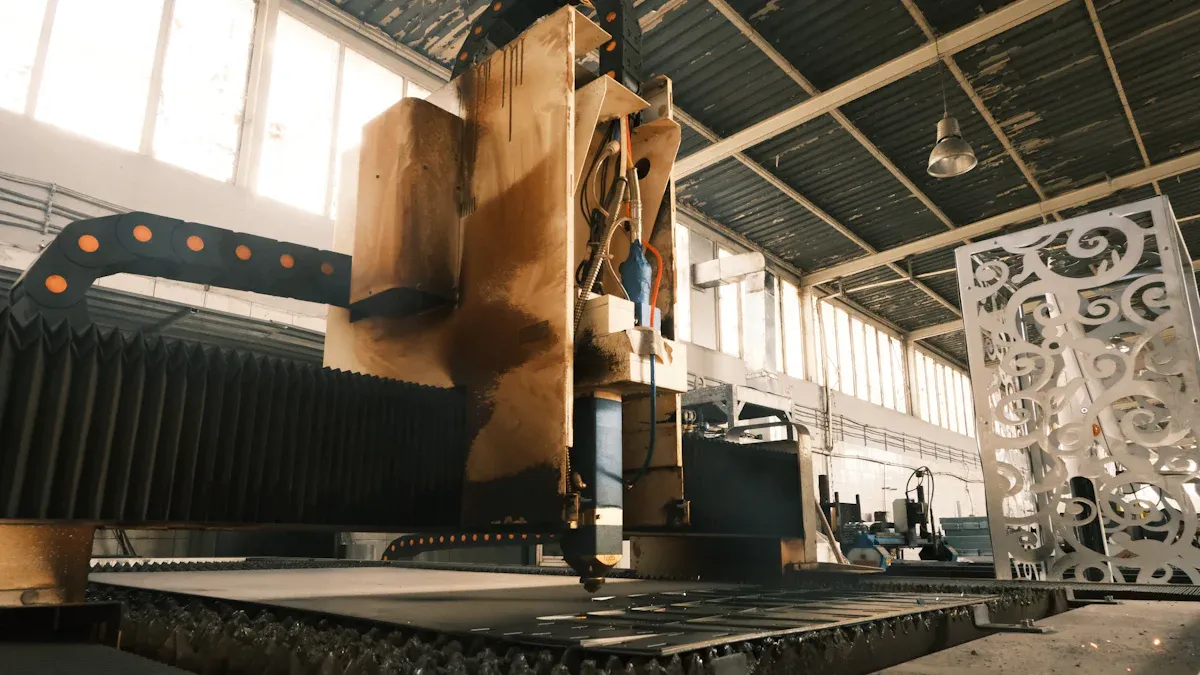
You see fiber laser welding machines transforming automotive manufacturing. These machines help you join high-strength steels, which are essential for building lightweight vehicle frames. You improve fuel efficiency and crash performance by using advanced welding technology. You also rely on fiber lasers to produce battery components for electric vehicles. The machines weld cells and modules with high precision.
You benefit from high-speed welding processes. Fiber laser welding machines reach speeds up to 50 mm per second when working with thin stainless steel. You achieve extreme precision, with weld seam widths less than 0.1 mm. This accuracy allows you to handle complex geometries and intricate designs. You notice a minimal heat-affected zone, which helps maintain the material’s properties and results in stronger welds.
You save on operating costs. Fiber laser welding machines use 80% to 90% less energy compared to traditional methods. You also find these machines ready for automation. Advanced software lets you integrate them into high-volume production lines, boosting efficiency.
| Application/Benefit | Description |
|---|---|
| Fusion of High-Strength Steels (AHSS) | Essential for lightweight vehicle frames, improving fuel efficiency and crash performance. |
| Production of Battery Components | Used in electric vehicles for manufacturing cells and modules. |
| High-Speed Welding Process | Exceeds traditional methods, with speeds reaching up to 50 mm/s for thin stainless steel. |
| Extreme Welding Precision | Achieves precision of <0.1 mm weld seam width, suitable for complex geometries. |
| Minimal Heat-Affected Zone (HAZ) | Produces small HAZ, maintaining material properties and resulting in stronger welds. |
| Cost-Effective Solution | Saves 80% to 90% of energy compared to traditional methods, reducing operating costs. |
| Automation-Ready | Equipped with advanced software for high-volume production lines, enhancing efficiency. |
Tip: You can increase productivity and reduce costs by choosing fiber laser welding machines for automotive applications.
You face strict requirements in aerospace manufacturing. Fiber laser welding machines help you meet these standards. You weld lightweight alloys such as titanium and aluminum with high accuracy. You create strong, reliable joints that withstand extreme conditions. You also benefit from minimal distortion and a small heat-affected zone. This is important when you work with sensitive components like turbine blades or fuel tanks.
You use fiber laser welding machines to join thin sheets and complex assemblies. You achieve consistent results, even with challenging materials. You also integrate these machines into automated systems for large-scale production. You improve safety and reliability in aerospace parts by using advanced welding technology.
Note: You maintain high standards and meet industry regulations with fiber laser welding machines in aerospace applications.
You rely on fiber laser welding machines for electronics manufacturing. You join tiny components with high precision, such as welding battery module tabs. You benefit from excellent beam quality, which gives you focused and detailed welds. You also enjoy high efficiency, with electrical-to-optical conversion rates above 30%. This reduces your energy costs and supports sustainable production.
You find fiber laser welding machines easy to integrate into your systems. The compact design fits into various setups, from small workstations to large production lines. You experience high reliability and durability because these machines have fewer moving parts. You spend less time on maintenance and more time on production.
You achieve precise joining of electronic components.
You save energy with efficient operation.
You integrate machines easily into your workflow.
You rely on durable equipment with low maintenance needs.
You scale power for different applications, from low to high output.
You improve product quality and manufacturing speed by using fiber laser welding machines in electronics.
You work in jewelry manufacturing where precision and quality matter most. Fiber laser welding machines from TiHi Laser help you achieve flawless results in this demanding industry. You need to join tiny components, repair delicate pieces, and create intricate designs. Fiber lasers give you the control and accuracy required for these tasks.
You often handle precious metals such as gold, silver, platinum, and titanium. Fiber laser welding machines allow you to weld these materials without causing discoloration or damage. You maintain the original luster and strength of each piece. The focused laser beam produces clean, narrow welds that blend seamlessly with the surrounding metal.
Tip: You can use fiber laser welding to repair prongs, resize rings, or join chains without leaving visible marks.
You benefit from minimal heat input. The small heat-affected zone prevents warping and preserves the fine details of your jewelry. You avoid the risk of melting or deforming thin sections. This advantage is especially important when you work with filigree, micro-pave settings, or hollow structures.
You save time during production. Fiber laser welding machines operate quickly and require little post-weld finishing. You reduce the need for polishing and cleaning. You increase your output and meet customer demands faster.
Here is a comparison of welding methods for jewelry:
| Method | Precision | Heat Impact | Suitable Materials | Post-Processing Needed |
|---|---|---|---|---|
| Fiber Laser Welding | High | Minimal | Gold, Silver, Platinum | Rarely |
| Traditional Soldering | Moderate | High | Gold, Silver | Often |
| Arc Welding | Low | High | Base Metals | Frequently |
You also enjoy flexibility in your workflow. TiHi Laser offers handheld models that let you perform repairs on-site or at the customer’s location. You use platform systems for batch production in your workshop. You switch between modes and adjust parameters easily, adapting to different jewelry styles and materials.
You improve your reputation by delivering consistent quality. Customers trust your craftsmanship when you use advanced technology. You create durable, beautiful pieces that stand out in the market.
You elevate your jewelry business with fiber laser welding machines. You combine artistry with innovation and set new standards for excellence.
You need to consider several factors before selecting a fiber laser welding machine. The right choice depends on your material, application, and industry requirements. You should match the laser power to your specific needs. Lower power machines, such as 1 kW, work best for thin materials and high-precision welds in electronics or medical devices. Higher power models, like 3 kW, suit automotive and heavy manufacturing, where you need deep penetration and fast processing.
Cooling systems play a vital role in machine performance. Air-cooled machines offer portability and suit lower power applications. Water-cooled systems handle higher power and provide durability for continuous production. You must understand your material compatibility and adjust settings for thickness and type. This helps you avoid weld defects and ensures consistent quality.
Safety remains a top priority. You should follow proper protocols and use protective equipment, especially with high-power lasers. Budget planning is also important. You need to consider long-term savings from energy efficiency and reduced maintenance.
Tip: Always review your production goals and material specifications before making a decision. This ensures you choose a machine that meets your operational needs.
| Power Range | Typical Industrial Applications | Key Characteristics and Considerations |
|---|---|---|
| 1 kW | Electronics, Medical Devices | Suitable for thin materials and high-precision welds; energy-efficient; air-cooled; minimizes heat impact and warping. |
| 1.5 kW | General Manufacturing | Balances precision and speed; suitable for medium thickness materials; may require water cooling. |
| 2 kW | Aerospace, Medium Production | Balances speed and energy consumption; water-cooled; handles thicker metals with moderate production volume. |
| 3 kW | Automotive, Heavy Manufacturing | High power for thick materials and deep penetration welds; fastest processing; requires water cooling; higher energy use. |
You can use a fiber laser welding machine in many industries. Electronics manufacturers rely on these machines for joining tiny components and battery tabs. Medical device makers use them for welding thin, delicate materials with minimal heat impact. Aerospace companies need machines that handle lightweight alloys and complex assemblies. Automotive factories choose high-power models for welding thick metals and producing strong joints.
You may also need a portable solution for on-site repairs or installations. TiHi Laser offers handheld models that provide flexibility and ease of use. Platform systems suit automated production lines and batch manufacturing. You can select single head configurations for focused tasks or double head models for increased productivity.
Electronics: Precision welding for battery modules and connectors.
Medical Devices: Clean welds on thin materials with minimal distortion.
Aerospace: Joining titanium and aluminum components for reliable performance.
Automotive: Fast, deep welds on thick metals for structural integrity.
Jewelry: Flawless joining of precious metals and intricate designs.
You improve your workflow and product quality by choosing the right machine for your specific use case.
You benefit from expert guidance when selecting a fiber laser welding machine. Specialists recommend matching pulse frequency and spot size to your project requirements. You need efficient cooling systems to prevent overheating during long production runs. High weld quality depends on precision and control, so you should look for machines with advanced features.
Certifications and compliance matter in regulated industries. You must ensure your machine meets industry standards and safety regulations. Training and technical support are essential for effective operation and maintenance. TiHi Laser provides tailored solutions and comprehensive support services. You receive help from initial consultation to after-sales service, ensuring you get the most out of your investment.
| Feature | Importance |
|---|---|
| Pulse Frequency | Different frequencies suit various materials and welding applications. |
| Spot Size Range | Determines weld precision and accuracy for your projects. |
| Cooling System Requirements | Efficient cooling prevents overheating during prolonged use. |
| Weld Quality | Higher precision and control lead to better welds. |
| Certifications & Compliance | Ensures your machine meets industry standards and regulations. |
| Training and Technical Support | Essential for effective operation and maintenance. |
Note: You can rely on TiHi Laser’s expertise to guide you through the selection process. Their support helps you optimize your production and maintain high standards.
You see clear advantages when you choose fiber laser welding machines over traditional laser systems. Fiber lasers deliver superior precision, higher efficiency, and greater versatility for your manufacturing needs. TiHi Laser stands out as a trusted partner, offering advanced solutions and expert support across industries.
You can benefit from practical advice shared by industry experts:
| Advice | Description |
|---|---|
| Invest in energy-efficient machines | Reduce operational costs and improve sustainability with advanced fiber laser technology. |
| Leverage expert partners for transition | Work with experienced partners to ensure a smooth shift to fiber laser systems. |
| Monitor the market for emerging trends | Stay informed about new technologies and strategies to maintain your competitive edge. |
You can consult TiHi Laser’s specialists to find the best welding solution for your business.
You can weld stainless steel, aluminum, copper, titanium, and galvanized steel. Fiber laser welding machines also handle hybrid materials, such as battery tabs and coated metals, with high precision and minimal distortion.
You benefit from high electrical-to-optical conversion rates, often above 30%. This efficiency reduces your electricity costs and lowers heat output, making your production line more sustainable.
You find user-friendly interfaces on TiHi Laser’s machines. You can adjust settings, switch modes, and monitor performance with simple controls. Both experienced technicians and newcomers operate these machines with confidence.
You see fiber laser welding machines in automotive, aerospace, electronics, jewelry, and medical device manufacturing. These machines deliver precision and reliability for a wide range of industrial applications.
You can expect operational lifespans exceeding 30,000 hours. The robust design and advanced cooling systems help you minimize downtime and reduce maintenance needs.
You use handheld models for portable, on-site welding tasks. These machines allow you to perform repairs and installations in tight spaces, increasing your flexibility and productivity.
You receive comprehensive support, including initial consultation, training, and after-sales service. TiHi Laser’s experts help you optimize your welding process and maintain high standards in your production.
You should consider your material type, thickness, required precision, and production volume. TiHi Laser offers tailored solutions and expert advice to help you select the best machine for your application.

